Children and Education
Children and Education
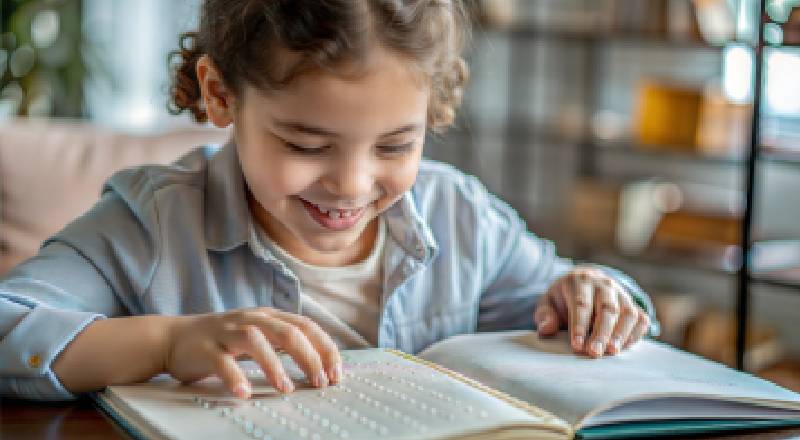
What we know about the education and development of children with vision impairment
Education is one of the known social determinants of health. School doesn’t only provide education, but helps with social, personal and technology skills that are used in employment, and everyday life.
Without quality specialist support and services children and young people with a vision impairment (VI) will experience a disparity of opportunity and be placed at risk of poorer educational attainment, development, and wellbeing outcomes, compared to their fully sighted peers.
This report summarises the key things we know about the education, wellbeing and broader development of children and young people with a VI.
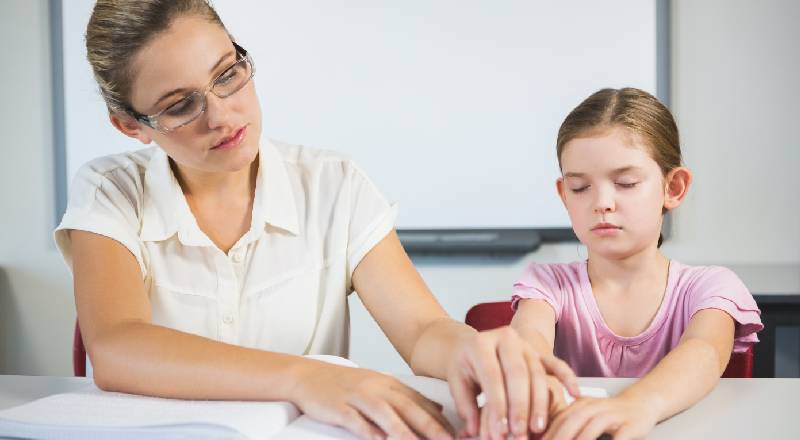
Educational attainment 2023
Previous research carried out by RNIB indicates that pupils with a primary Special Educational Need (SEN) of vision impairment (VI) have a lower level of attainment compared to pupils without a SEN. This briefing reports on the latest attainment data in England, covering the academic year 2022/23.
Secondary analysis of the Millennium Cohort Survey
The Millennium Cohort Study is a research project following the lives of children born in the UK in 2000/1 with information collected from the child and their parents on a variety of topics.
Transitions to adulthood: Transitions experiences of blind and partially sighted young people (Phase 3)
Phase 3 of the transitions study started in April 2015 and is following over 60 participants as they move from further and higher education to training and employment, and into independent living.
Get involved
If you have research or other useful information to share or you wish to share a news story that might benefit people living with sight loss or the sector please do get in contact. You can use the details on the Contact Us page or click on the button below.