
Experiences of the Eye Care Pathway
Experiences of the Eye Care Pathway

Eye Health and Eye Care snapshot
NHS ophthalmology services are
in crisis, under-resourced, and
unable to meet rising demand.
Demand for eye care is at an
all-time high and services are
struggling to keep up.
Everyone will need eye health
services at various stages of life.

Sight Loss pathway literature review
Sight loss can be a challenge to adapt to and an early, clinically appropriate, supportive, sympathetic, and efficient pathway is vital to facilitate the treatment needed, but also to ensure good patient experience.
This report examines that pathway from a patient perspective with the aim of improving patient experiences.

Eye Care Support Pathway report
This report summarises findings from both RNIB research and external data sources. It provides a comprehensive representation of the ‘pain points’ people experience when trying to access services along the eye care journey.

The Value of Vision: Six interventions to improve eye care
The Royal National Institute of Blind People (RNIB) has outlined a series of costed, practical steps that could revolutionise beleaguered eye care services in England - creating efficiencies and preventing avoidable sight loss as people wait for treatment. The charity’s report shows that simply offering NHS emails to primary care staff could save up to £20m each year alone.

Survey better understands patient experiences of macular treatment
A survey to better understand the perceptions of patients receiving anti-VEGF injections for macular conditions has highlighted the positive experiences of care, but also the need to involve patients in decisions about their treatment.
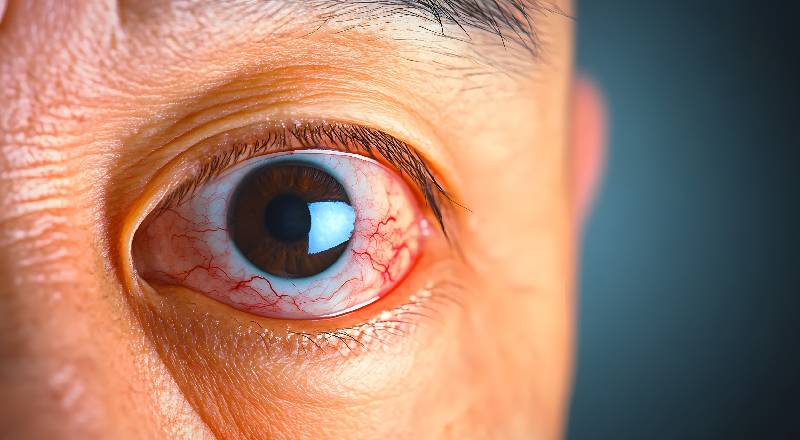
Report finds lack of support for sight loss due to diabetes

Report reveals burden of treatment for patients with wet AMD
In 2020, the Macular Society surveyed its members and supporters with wet AMD to understand their views of living with wet AMD and receiving treatment for their condition.

A rapid review of evidence relating to service use, experiences, and support needs of adults from minority ethnic communities along the eyecare pathway in the United Kingdom
There is growing awareness of the health inequalities experienced by minority ethnic communities, who make up an increasing proportion of the United Kingdom (UK) population and have been found to be at increased risk of visual impairment (V.I.). V.I. impacts on a wide range of life domains including employment, social functioning and activities of daily living.

Health and Comorbidities in Minority Ethnic Adults Living with Visual Impairment in the UK

Report reveals burden of treatment for patients with wet AMD
Visual impairment (V.I.) has been associated with a negative impact on social functioning, while social support can impact on well-being in those with V.I. Adults from minority ethnic communities (MEC) are projected to make up an increasing proportion of adults living with V.I. in the UK, but limited research has explored their social functioning. This article provides a preliminary insight into social functioning among MEC adults living with V.I. in the UK.

Exploring mental well-being, the emotional impact of visual impairment and experiences of prejudice and discrimination among adults from minority ethnic communities in the UK
Visual impairment (V.I.) has been associated with a negative impact on mental health outcomes, including a process of grief among those who lose their sight. Older adults with V.I. who had experienced discrimination have been found to be at increased risk of depression, loneliness, poorer life satisfaction and poorer quality of life. Adults from minority ethnic communities (MEC) may be at increased risk of V.I. and yet, research on the experiences of MEC adults with V.I. remains limited.

Access to eye care and support services among adults from minority ethnic communities living with visual impairment in the United Kingdom
Despite an increased risk of certain eye conditions which can lead to visual impairment (V.I.), there is evidence of a greater delay to treatment-seeking among adults from minority ethnic communities (MEC). MEC adults may also be underrepresented on V.I. registers, within early intervention services, and among the beneficiaries of national V.I. charities. However, much of this evidence is outdated or anecdotal.

Conceptualizations of well-being in adults with visual impairment: A scoping review
Despite its ubiquity, it is often not clear what organizations and services mean by well-being. Visual impairment (VI) has been associated with poorer well-being and well-being has become a key outcome for support and services for adults living with VI. A shared understanding of what well-being means is therefore essential to enable assessment of well-being and cross-service provision of well-being support.
Get involved
If you have research or other useful information to share or you wish to share a news story that might benefit people living with sight loss or the sector please do get in contact. You can use the details on the Contact Us page or click on the button below.